
- By Ron Vishnevsky
- OPWDD Program
- 0 Comment
How to Prepare for Your Child's First OPWDD Care Manager Meeting
So your child has been approved for OPWDD services and you have been told that a Care Manager will be reaching out to schedule your first meeting. You might be feeling a mix of relief that the eligibility process is behind you and uncertainty about what comes next. What exactly happens at this meeting? What do you need to bring? What should you say? And how do you make sure your child gets the right services from the start?
Your first OPWDD care manager meeting is one of the most important conversations you will have within the OPWDD system. It sets the foundation for your child’s Individual Support Plan and shapes the services your child will receive. Walking in prepared makes a real difference in the outcome.
This guide tells you exactly what to expect, what to bring, and what questions to ask so you can make the most of that first meeting.
What Is an OPWDD Care Manager and What Do They Do?
Before you can prepare for the meeting, it helps to understand who you are meeting with and why their role matters so much.
A Care Manager is a professional assigned to coordinate your child’s services within the OPWDD system. They work for a Care Coordination Organization, which is an agency approved by OPWDD to provide this service. Their primary responsibilities include developing and monitoring your child’s Individual Support Plan, coordinating services across provider agencies, advocating for your child’s needs within the system, and connecting your family with the right supports at the right time.
According to the New York State OPWDD website, Care Management is a required component of OPWDD services for all enrolled individuals. Every child in the system has a Care Manager, and that relationship continues for as long as your child is enrolled in OPWDD.
Think of your Care Manager as your navigator inside the OPWDD system. They do not deliver direct services to your child. But they make sure all the right services are in place, coordinated, and working together toward your child’s goals.
What Happens at the First OPWDD Care Manager Meeting?
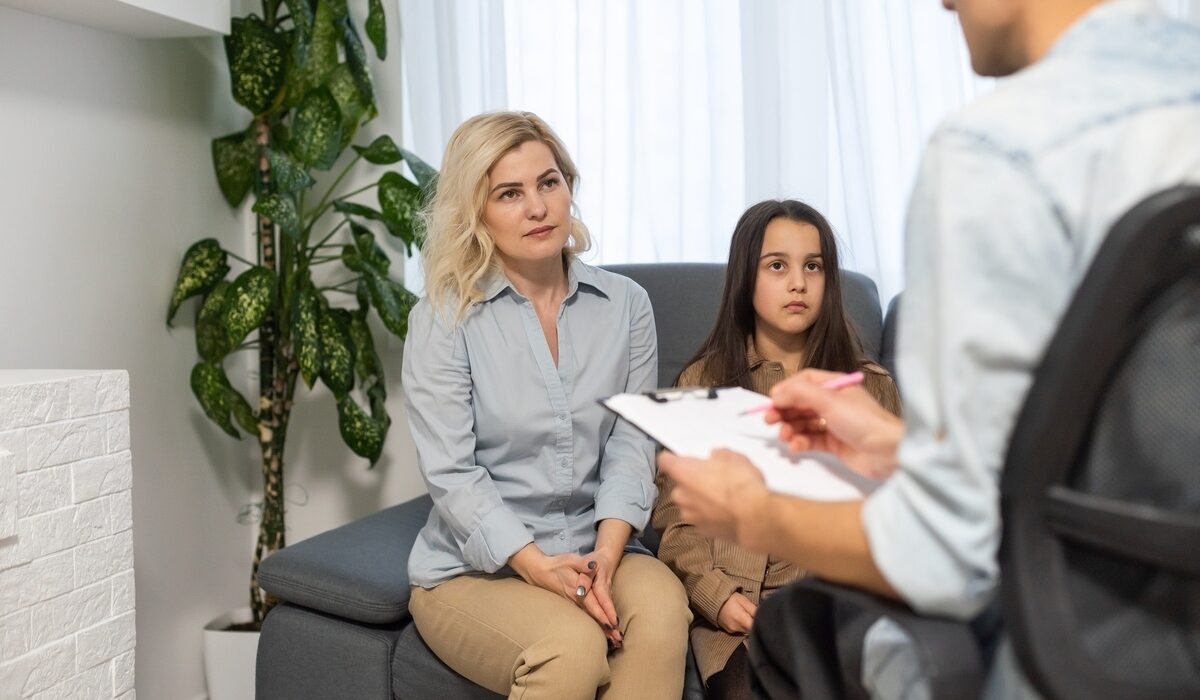
Your first OPWDD care manager meeting is primarily focused on getting to know your child and your family. The Care Manager will ask about your child’s diagnosis, daily routines, strengths, challenges, and what your family’s most pressing needs are right now.
This information forms the foundation of your child’s Individual Support Plan. The ISP is the document that outlines every service your child will receive, the goals they are working toward, who will deliver each service, and how progress will be measured.
The first meeting is not the final ISP meeting. It is the beginning of a conversation that will continue over multiple sessions until the plan is fully developed and formally approved. But the information you share in this first meeting directly shapes the direction of that plan, which is why being prepared matters so much.
What to Bring to Your First OPWDD Care Manager Meeting
Coming to the meeting organized and prepared signals to your Care Manager that you are an engaged partner in your child’s care. Here is what you should bring:
Diagnostic Records and Evaluations Bring copies of your child’s most recent diagnostic evaluations, neuropsychological assessments, and any reports from developmental specialists. These documents help your Care Manager understand your child’s diagnosis and functional profile.
School Records and IEP If your child has an Individualized Education Program through their school district, bring a copy. The IEP provides useful context about your child’s educational goals, related services, and how they function in a structured setting.
Medical Records and Current Medications A summary of your child’s medical history, current medications, and any ongoing health conditions is helpful for building a complete picture of their needs.
List of Current Services and Providers If your child is already receiving any services such as speech therapy, occupational therapy, ABA, or home health care, bring a list of those providers and what services they are delivering. This helps your Care Manager avoid duplication and identify gaps.
Your Observations as a Parent No document captures your child’s daily reality the way you can. Write down your observations about what your child struggles with most, what their daily routine looks like, what they enjoy, and what your biggest concerns are as a family. This is some of the most valuable information your Care Manager will receive.
What to Expect Your Care Manager to Ask
Your Care Manager will guide most of the conversation during your first OPWDD care manager meeting, but knowing what they are likely to ask helps you prepare thoughtful answers rather than trying to think on your feet.
Expect questions in these areas:
About Your Child’s Daily Functioning How does your child manage self-care tasks like dressing, hygiene, and eating? How do they communicate their needs? How do they handle transitions and changes in routine? What behaviors or challenges come up most frequently at home?
About Your Child’s Strengths and Interests What does your child enjoy? What motivates them? What are they good at? OPWDD services are built around goals, and understanding what your child is capable of is just as important as understanding where they need support.
About Your Family’s Needs and Priorities What does your family need most right now? Is caregiver relief a priority? Are you focused on building your child’s independence? Are you thinking about long-term planning for when your child ages out of school services? Being clear about your priorities helps your Care Manager develop a plan that actually addresses what matters most to your family.
About Your Goals for Your Child Where do you want your child to be in one year? In five years? What skills do you most want them to develop? What does a good quality of life look like for your child and your family?
Questions You Should Ask Your Care Manager
Your first OPWDD care manager meeting is not just an intake session for the Care Manager. It is also your opportunity to evaluate whether this is the right fit for your family and to get clarity on how the system works. Here are the questions you should be asking:
- What is your caseload and how much time will you have for our family?
- How often will we meet after the ISP is developed?
- How do you prefer to communicate between meetings?
- How long does it typically take to finalize the ISP and begin services?
- What services do you think my child may qualify for based on what I have shared?
- How do I choose a provider agency and what options are available in Brooklyn or the Bronx?
- What happens if I disagree with something in the ISP?
- How do I reach you if something urgent comes up?
- What should I do if I am not satisfied with a provider?
- How will you measure whether the services in the ISP are actually working?
These questions accomplish two things. They give you practical information you need. And they signal to your Care Manager that you are an active, informed participant in your child’s planning process, which tends to result in better outcomes.
How to Advocate Effectively for Your Child During the Meeting
Your Care Manager is a professional who knows the OPWDD system well. But you are the expert on your child. The most effective first OPWDD care manager meetings happen when both of those perspectives are brought to the table equally.
Be specific when describing your child’s challenges. Vague descriptions like “he has a hard time” are less useful than “he needs verbal and physical prompting to complete his morning hygiene routine and it takes about 45 minutes with support.” The more specific your observations, the more accurately the ISP can reflect your child’s actual needs.
Do not minimize your child’s challenges out of habit or politeness. Many parents instinctively soften descriptions of their child’s difficulties. In an OPWDD care manager meeting, accuracy matters more than impression management. The services your child receives are determined in part by how their needs are documented.
At the same time, make sure your child’s strengths are part of the conversation too. OPWDD services are goal-oriented and built on what your child can do as much as what they need support with.
According to New York State Medicaid, families are active participants in the ISP development process and have the right to request changes to the plan at any time. Knowing your rights going into the first meeting helps you engage as an equal partner rather than a passive recipient.
What Happens After the First Meeting?
After your first OPWDD care manager meeting, your Care Manager will begin drafting your child’s Individual Support Plan based on the information gathered. There will typically be follow-up meetings to review the draft, make adjustments, and finalize the plan before it is formally approved.
Once the ISP is finalized, service authorizations are submitted and you select the provider agency that will deliver your child’s services. This is another important decision. The voluntary agency you choose will be working directly with your child, often in your home.
For a full walkthrough of everything that happens after the ISP is in place, visit our page on OPWDD services for children with disabilities and our detailed overview of OPWDD services for children to understand how the service delivery process works from start to finish.
Frequently Asked Questions
Yes. You are welcome to bring a spouse, partner, family member, or advocate to the meeting. Having a second person present can help ensure nothing important is missed and gives you someone to debrief with afterward.
You have the right to request a different Care Manager or a different Care Coordination Organization if the relationship is not a good fit. Raise your concerns with your regional OPWDD office or contact a provider agency like Z Best Homecare for guidance on how to navigate that process.
First meetings generally run between one and two hours depending on how much information needs to be gathered. Coming prepared with documents and notes helps the meeting move efficiently without missing important details.
This depends on your child’s age, communication level, and your preference as a parent. For younger children or those who find new situations stressful, it is often fine for the first meeting to take place without the child present. Your Care Manager can advise on what works best based on your child’s profile.
Timelines vary. In straightforward cases the ISP can be finalized within a few weeks of the first meeting. In cases where additional information is needed or multiple follow-up sessions are required, it can take longer. Staying responsive to your Care Manager’s requests for documents or information speeds the process significantly.
The Bottom Line
Your first OPWDD care manager meeting is the starting point for everything your child will receive through the OPWDD system. Coming prepared with the right documents, clear observations about your child’s daily functioning, and thoughtful questions puts you in the strongest possible position to advocate for a plan that truly meets your child’s needs.
You are not just a participant in this process. You are the most important voice in the room. The more prepared and engaged you are, the better the outcome for your child.
Z Best Homecare supports families in Brooklyn and the Bronx through every stage of the OPWDD process. If you are approaching your first care manager meeting or are ready to select a provider after your ISP is finalized, our team is here to help. Visit our OPWDD approval process page to understand the full journey or reach out directly to learn how Z Best Homecare can support your family today.
References
New York State Office for People With Developmental Disabilities. Care Coordination Overview. https://opwdd.ny.gov/care-coordination
New York State Department of Health. Medicaid Home and Community Based Services. https://www.health.ny.gov/health_care/medicaid
Centers for Disease Control and Prevention. Developmental Disabilities. https://www.cdc.gov/ncbddd/developmentaldisabilities
New York State OPWDD. Individual Support Plan Guidelines. https://opwdd.ny.gov/individual-support-plan
New York State OPWDD. Voluntary Agencies and Provider Information. https://opwdd.ny.gov/providers
Disclaimer
The information provided in this article is intended for general informational purposes only and does not constitute medical, legal, or professional advice. Eligibility requirements, available services, and program details for OPWDD in New York are subject to change. Families are encouraged to contact the New York State Office for People With Developmental Disabilities directly at opwdd.ny.gov or speak with a qualified Care Manager to obtain guidance specific to their child’s situation.