
How Can Parents Encourage Independence in Special Needs Children?
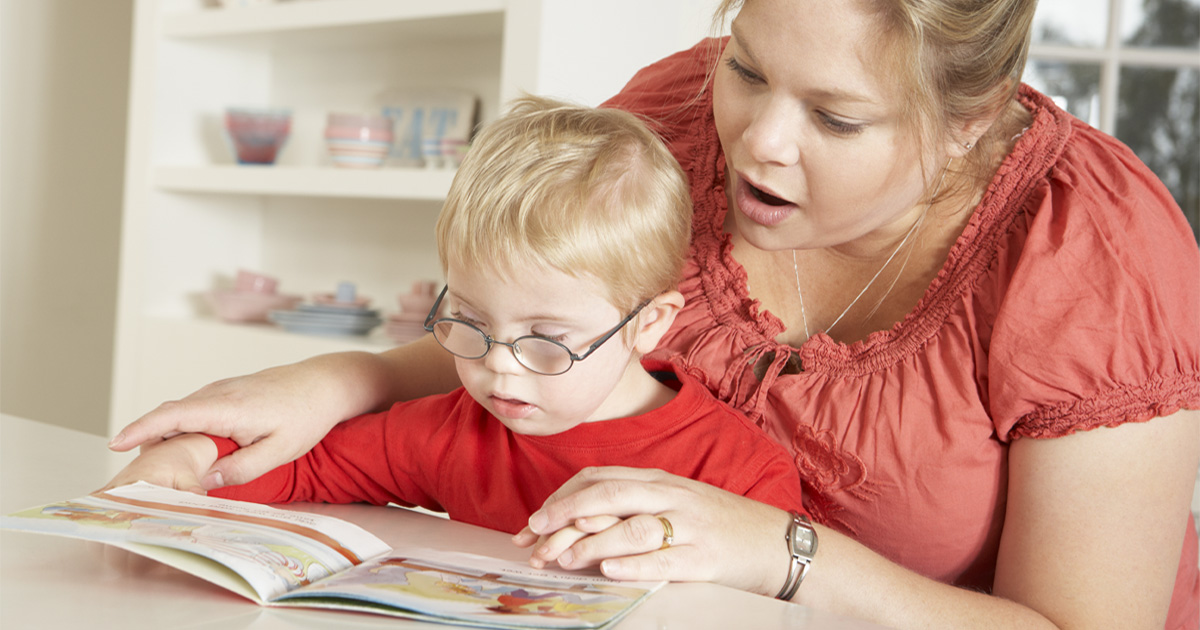
How Can Parents Encourage Independence in Special Needs Children?
Table of Contents
- 1. Why Independence Matters for Every Child
- 2. Special Needs Children: Building Independence One Step at a Time
- 3. Practical Ways to Encourage Everyday Independence
- 4. How Daily Routines Help Build Confidence and Life Skills
- 5. Common Mistakes Parents Should Avoid
- 6. Helping Your Child Grow at Their Own Pace
- 7. FAQ
- 8. Key Takeaways
- 9. Continue Exploring Ways to Support Your Child's Independence
- 10. Disclaimer
- 11. References
If you’re raising a child with unique developmental needs, you may wonder how to encourage greater independence without asking too much or moving too quickly. It’s a question many parents ask because they want to help their child become more confident while still providing the support they need. Helping Special Needs Children develop independence isn’t about expecting perfection. It’s about creating opportunities to learn, practice, and succeed one step at a time.
As you continue learning about ways to encourage your child’s growth, it may also be helpful to explore how individualized support can encourage everyday development and how personalized approaches may strengthen practical skills at home and in the community.
In this guide, you’ll learn why independence is important, practical strategies you can use in everyday life, common challenges parents often face, and simple ways to help your child build confidence that lasts well into the future.
1. Why Independence Matters for Every Child
Every child deserves opportunities to learn new skills and experience the satisfaction that comes from accomplishing something on their own. Whether it’s putting on a jacket, choosing a snack, helping set the table, or learning to organize school supplies, these everyday moments contribute to long-term growth.
For children with developmental disabilities, becoming more independent may take additional time, repetition, and encouragement. That’s completely normal. Progress isn’t measured by speed but by steady improvement that reflects each child’s unique strengths and abilities.
You might be wondering whether encouraging independence means expecting your child to complete every task without assistance. The answer is no. Independence develops gradually, and support remains an important part of the learning process. As children gain confidence, parents can slowly reduce assistance while allowing them to practice new skills safely.
For example, imagine your child is learning how to get dressed each morning. During the first few weeks, you may help with every step. Later, your child may begin putting on socks independently while you assist with buttons or zippers. Eventually, those smaller accomplishments can lead to completing the entire routine with only occasional reminders.
These experiences help children develop much more than practical abilities. They also encourage:
- Greater confidence when trying new activities.
- Better problem-solving skills.
- Improved communication during daily routines.
- Increased participation in family responsibilities.
- Stronger preparation for future independence.
Every success, no matter how small it may seem, becomes another building block that supports lifelong learning.
2. Special Needs Children: Building Independence One Step at a Time
One of the biggest misconceptions about independence is believing it happens all at once. In reality, most children develop new abilities through consistent practice, positive encouragement, and opportunities to repeat familiar tasks. The same principle applies to children with developmental disabilities.
Some children quickly become comfortable completing self-care routines, while others benefit from visual schedules, verbal reminders, or extra practice before mastering the same skills. Neither approach is better than the other because every child learns differently.
According to the CDC, developmental milestones provide general guidance for understanding how children grow and learn over time. These milestones can help families recognize progress while remembering that every child’s developmental journey is unique, especially for those with developmental disabilities.
Instead of focusing on everything your child hasn’t learned yet, consider celebrating the skills they continue to build. Confidence often grows when children experience repeated success with manageable tasks.
For example, if your child is learning to become more responsible at home, you might begin with one simple responsibility such as placing dirty clothes into a laundry basket. Once that becomes part of the daily routine, you can introduce another small task, like putting toys away before bedtime.
This gradual approach works because it reduces frustration while giving children opportunities to experience success regularly.
Positive reinforcement also plays an important role throughout this process. Praising effort, recognizing improvement, and celebrating small accomplishments help children understand that learning is valuable, even when mistakes happen along the way.
Remember that progress isn’t always perfectly consistent. Some days your child may complete familiar tasks independently, while other days they may ask for additional guidance. Those moments are part of learning, not signs that progress has stopped.
3. Practical Ways to Encourage Everyday Independence
Helping your child become more independent doesn’t require dramatic changes to your family’s daily routine. In fact, many opportunities already exist within everyday activities. The key is allowing children to participate in ways that match their current abilities while gradually encouraging additional responsibility.
One effective strategy is offering simple choices throughout the day. Allowing your child to choose between two shirts, select a healthy snack, or decide which homework assignment to complete first encourages decision-making while helping them feel more involved.
Another helpful approach is breaking larger responsibilities into smaller, manageable steps. Learning becomes much less overwhelming when children focus on completing one task at a time instead of trying to master an entire routine all at once.
Parents can also encourage participation during everyday household activities. Your child may enjoy helping organize groceries, matching socks after laundry, watering plants, feeding a family pet with supervision, or placing napkins on the dinner table before meals. These experiences naturally strengthen daily living skills for children while showing them that their contributions matter.
Consistency is equally important. Repeating familiar activities each day gives children more opportunities to practice, remember instructions, and develop confidence through routine. Even if progress feels gradual, those repeated experiences help build skills that become easier over time.
As children continue practicing everyday responsibilities, families often discover new ways to support learning within familiar environments. You can also find additional ideas for creating a supportive home environment that encourages growth and learn how everyday routines can reinforce confidence, participation, and long-term development.
Finally, remember that independence isn’t about expecting children to do everything alone. It’s about helping them become active participants in their own daily lives while providing encouragement that matches their individual needs and abilities.
4. How Daily Routines Help Build Confidence and Life Skills
Children often learn best through repetition. When daily activities happen in a predictable way, they become familiar, making it easier for children to understand expectations and participate with greater confidence. While every family has its own schedule, creating simple routines can help children practice important skills without feeling overwhelmed.
For example, a morning routine might include getting dressed, brushing teeth, packing a backpack, and putting shoes by the door. Repeating these activities each day gives children multiple opportunities to strengthen independent living skills while becoming more comfortable completing tasks with less assistance.
Parents don’t need to create complicated schedules to see progress. Even simple routines before school, during mealtimes, or before bedtime can encourage consistency and reduce uncertainty. Over time, children often begin remembering the next step on their own because the routine becomes familiar.
Children also become more comfortable when they know what to expect each day. Familiar routines reduce uncertainty, encourage participation, and provide repeated opportunities to practice everyday responsibilities in a supportive environment. As confidence grows, many children become more willing to take on new challenges and develop additional skills.
Another helpful strategy is allowing extra time for practice. It can be tempting to complete a task yourself when you’re in a hurry, but giving your child enough time to try independently encourages problem-solving and perseverance.
Daily routines also provide natural opportunities to practice communication, organization, and responsibility. Children may gradually learn to prepare their backpack, help clean up after meals, organize personal belongings, or remember the next activity in their schedule. These experiences contribute to greater confidence while strengthening practical life skills they will continue using as they grow.
5. Common Mistakes Parents Should Avoid
Every parent wants to help their child succeed, but sometimes the desire to help can unintentionally reduce opportunities for learning. Understanding a few common challenges can make it easier to encourage independence while still providing appropriate support.
One common mistake is stepping in too quickly. Watching your child struggle with a new task isn’t always easy, but allowing a little extra time often gives them the chance to solve problems independently. Even if they don’t complete the task perfectly, the experience itself helps build confidence.
Another challenge is expecting progress to happen too quickly. Developing self-care skills and practical responsibilities usually takes time, especially when children are learning several new abilities at once. Patience allows children to build confidence without feeling pressured.
Parents should also avoid comparing their child’s progress with siblings, classmates, or friends. Every child develops differently, and meaningful progress should always be measured by individual growth rather than someone else’s timeline.
Finally, don’t overlook small accomplishments. Successfully putting away toys, remembering part of a bedtime routine, or making simple choices independently may seem like minor achievements, but they represent important milestones that contribute to long-term confidence.
By focusing on gradual progress instead of perfection, you create an environment where children feel encouraged to keep learning rather than fearing mistakes.
6. Helping Your Child Grow at Their Own Pace
Every child’s path toward independence is unique. Some children may quickly develop practical daily routines, while others spend more time strengthening communication, social participation, or problem-solving skills. Both journeys are valuable because each child is building abilities that support long-term growth.
According to the American Academy of Pediatrics, giving children age-appropriate responsibilities while providing guidance and encouragement helps build confidence, responsibility, and everyday life skills. These general parenting principles can also be thoughtfully adapted to meet the unique strengths and support needs of children with developmental disabilities.
As your child becomes more confident, you may also consider exploring resources that reinforce these same goals through individualized support. If you’d like to see how personalized care may complement your child’s progress, learn more about personalized in-home support that encourages greater independence and how individualized assistance may help strengthen everyday skills.
Perhaps the most important lesson is remembering that independence isn’t defined by completing every task without help. Instead, it’s measured by continued growth, increased confidence, and the willingness to keep trying.
By encouraging effort, celebrating progress, and creating opportunities to practice, you’re helping your child develop abilities that can continue supporting everyday participation throughout childhood and beyond.
7. FAQ
How can parents encourage independence without overwhelming their child?
Start with small, manageable responsibilities that match your child’s current abilities. Breaking larger tasks into simple steps helps children experience success while gradually building confidence. As they become more comfortable, you can slowly introduce additional responsibilities at a pace that feels appropriate for them.
What are daily living skills for children?
Daily living skills include practical activities such as dressing, brushing teeth, organizing personal belongings, preparing simple snacks, and helping with household routines. These everyday experiences encourage responsibility while supporting greater independence over time. Every child develops these skills at their own pace.
Why are routines important for children with developmental disabilities?
Consistent routines provide predictability, which can reduce uncertainty and make learning feel more manageable. Repeating familiar activities also gives children regular opportunities to practice important skills and build confidence. Over time, many children begin completing familiar routines with less assistance.
What should parents do if progress seems slow?
Progress often happens gradually, and temporary setbacks are a normal part of learning. Continue celebrating small accomplishments while offering encouragement and opportunities to practice. Focusing on steady improvement instead of perfection helps children remain motivated.
When might families benefit from additional support?
Some families explore additional support when children need extra guidance developing daily living skills, communication abilities, or greater independence. Personalized services may complement what families are already doing at home while providing structured opportunities for continued growth.
Key Takeaways
- Independence develops through consistent practice, encouragement, and patience.
- Small everyday responsibilities can build lasting confidence.
- Daily routines provide valuable opportunities to strengthen practical life skills.
- Every child learns at their own pace, and progress should never be compared with others.
- Positive reinforcement helps children remain motivated while developing greater independence.
Continue Exploring Ways to Support Your Child's Independence
Encouraging independence is an ongoing journey that grows through patience, consistency, and everyday learning opportunities. As your child develops new skills, you may find that personalized guidance and structured support complement the progress you’re already making at home while encouraging greater confidence and participation in daily life.
If you’d like to continue exploring available support options, our Children with Disabilities OPWDD Services page explains how personalized in-home care may support children with developmental disabilities while encouraging growth, confidence, and everyday independence.
Disclaimer
This article is intended for educational and informational purposes only and should not be considered medical, legal, or developmental disability advice. Every child has unique strengths, abilities, and support needs that should be evaluated individually. Families should consult qualified healthcare professionals, developmental specialists, or appropriate service providers for personalized guidance regarding their child’s development and available support options.