
What Types of Therapy Can Help Children With Special Needs?
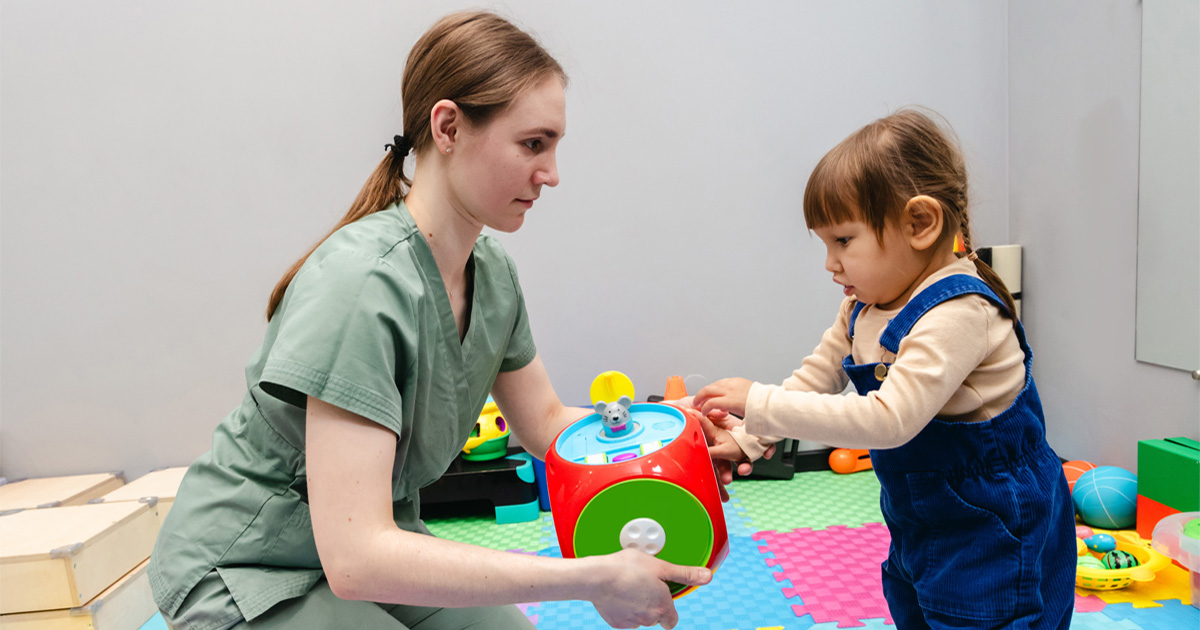
What Types of Therapy Can Help Children With Special Needs?
Table of Contents
- 1. Why Therapy Can Make a Difference for Children With Special Needs
- 2. Special Needs Therapy: Understanding the Different Approaches
- 3. Common Types of Therapy for Children With Special Needs
- 4. How Families Can Support Therapy Progress at Home
- 5. Choosing the Right Therapy for Your Child's Needs
- 6. Common Misconceptions About Therapy
- 7. FAQ
- 8. Key Takeaways
- 9. Continue Exploring Support That Grows With Your Child
- 10. Disclaimer
- 11. References
If you’re exploring therapy options for your child, you’re probably asking an important question: Which type of therapy will best support their growth and development? Every child learns differently, and there isn’t a single approach that works for everyone. Special Needs Therapy is often tailored to each child’s unique strengths, challenges, and developmental goals, making individualized care an important part of the journey.
As you learn about the different therapies available, it’s also helpful to understand how therapy may fit into a broader support plan. Learning more about Children with Disabilities OPWDD Services can provide additional insight into how personalized in-home support may complement therapy while encouraging greater independence and everyday skill development.
In this guide, you’ll learn about the most common therapy options for children with special needs, how each one may support different areas of development, and what families should consider when choosing the right approach for their child’s unique needs.
1. Why Therapy Can Make a Difference for Children With Special Needs
When a child is diagnosed with a developmental disability or begins experiencing developmental delays, it’s natural for families to wonder what support may be available. Therapy is often one part of a broader plan that focuses on helping children develop practical skills, communicate more effectively, participate in daily activities, and become more confident in their own abilities.
The purpose of therapy is not to change who a child is. Instead, it aims to strengthen skills that help them navigate everyday life while building on their existing strengths. Some children may need support with communication, while others may benefit from improving movement, emotional regulation, or social interaction.
For example, one child may have difficulty expressing their needs using words, while another may struggle with balance or completing everyday tasks like getting dressed independently. Because each child’s needs are different, therapy plans are usually personalized instead of following a standard program.
You might be wondering whether therapy guarantees immediate progress. In reality, development happens gradually. Some children reach milestones quickly, while others need additional time and consistent practice before new skills become part of their everyday routines.
One of the biggest benefits of therapy is that it creates opportunities for children to practice meaningful skills in a supportive environment. As those skills improve, children often become more comfortable participating at home, in school, and within their communities.
2. Special Needs Therapy: Understanding the Different Approaches
Rather than focusing on a single treatment method, therapy for children with special needs usually involves selecting approaches that match the child’s developmental profile. Professionals consider factors such as age, communication abilities, physical development, learning style, sensory needs, and family priorities before recommending an individualized therapy plan.
This works because no two children experience developmental disabilities in exactly the same way. A child who benefits most from speech support may have very different goals than a child who needs assistance with motor skills or sensory processing. Individualized planning helps ensure therapy remains meaningful, realistic, and appropriate for each stage of development.
Early intervention is another important consideration. Identifying developmental concerns early allows children to begin receiving support during periods when the brain is rapidly developing. According to the Centers for Disease Control and Prevention (CDC), developmental disabilities can affect physical, learning, language, or behavioral development, and recognizing concerns early may help families access appropriate services and support.
Although therapy goals vary, they often focus on helping children:
- Develop stronger communication skills.
- Improve movement and coordination.
- Build confidence with daily living skills.
- Strengthen social interactions.
- Encourage greater independence over time.
As children grow, therapy goals may also change. What begins as learning to communicate basic needs may later shift toward improving problem-solving, participating in school activities, or developing greater independence in everyday situations. Regular evaluations help ensure therapy continues reflecting each child’s changing strengths and priorities.
3. Common Types of Therapy for Children With Special Needs
Different therapies focus on different aspects of child development. In many cases, children participate in more than one therapy depending on their individual needs, recommendations from healthcare professionals, and developmental goals.
Occupational Therapy
Occupational therapy helps children build the practical skills needed for everyday life. These may include dressing, eating independently, holding a pencil, using scissors, handwriting, or participating in classroom activities.
Occupational therapists also work with children who experience sensory processing challenges. They help children learn strategies that improve participation in daily routines while making activities feel more manageable and comfortable.
Rather than expecting perfection, occupational therapy encourages gradual progress through consistent practice and activities designed around the child’s abilities.
Speech Therapy
Speech therapy supports much more than speaking. It may also help children improve understanding, listening, pronunciation, social communication, and alternative methods of expressing themselves when verbal communication is difficult.
Some children develop language differently because of developmental disabilities, while others may need support using communication devices, gestures, or picture-based systems. Therapy is individualized to match each child’s communication style and developmental level.
Improving communication often benefits many other areas of life, including relationships, learning, emotional development, and participation in everyday activities.
Physical Therapy
Physical therapy focuses on movement, strength, balance, flexibility, and coordination. Children who experience physical challenges may work on activities that improve walking, climbing stairs, maintaining balance, or participating more comfortably in play and recreational activities.
Therapists create exercises that are appropriate for the child’s developmental stage while encouraging safe, gradual improvement. Sessions often include activities that feel engaging rather than repetitive, helping children stay motivated as they build new motor skills.
Behavioral Therapy
Behavioral therapy helps children develop positive behaviors while learning strategies to manage challenging situations. Depending on the child’s needs, sessions may focus on emotional regulation, attention, following routines, problem-solving, or improving social interactions.
Parents are frequently involved throughout the process so they can reinforce the same strategies at home. Consistency between therapy sessions and everyday routines often supports continued progress and helps children apply newly learned skills in different environments.
Applied Behavior Analysis (ABA)
Applied Behavior Analysis, commonly known as ABA, is one approach that may be recommended for some children, particularly those with autism spectrum disorder. ABA uses structured, individualized strategies to encourage positive behaviors while helping children learn practical skills through repetition, reinforcement, and measurable goals.
Families considering ABA should discuss the approach with qualified professionals to determine whether it aligns with their child’s individual needs, developmental goals, and personal preferences. Like other therapies, ABA should always be personalized rather than applied using a one-size-fits-all approach.
4. How Families Can Support Therapy Progress at Home
Therapy sessions are important, but meaningful progress often happens between appointments. Children learn through repetition, encouragement, and opportunities to practice new skills in everyday situations. Simple activities at home can reinforce what they learn during therapy while helping them become more comfortable using those skills naturally.
For example, a child working on communication may benefit from being encouraged to make choices during meals or while playing. A child developing fine motor skills might practice buttoning clothing, drawing pictures, or helping prepare simple snacks with supervision. These everyday moments create valuable learning opportunities without making children feel overwhelmed.
Parents also play an important role by maintaining open communication with therapists. Sharing observations about changes at home, asking questions, and discussing challenges can help therapists adjust goals as children continue developing.
You do not need expensive equipment or complicated routines to support your child’s progress. Small, consistent efforts often have a lasting impact because they allow children to practice skills repeatedly in familiar environments.
If you’re looking for additional ideas that encourage learning outside therapy sessions, you can explore practical strategies for supporting your child at home every day to help reinforce progress through everyday routines.
5. Choosing the Right Therapy for Your Child's Needs
Choosing among the different therapy for children with special needs options can feel overwhelming at first. You might be wondering whether your child needs one type of therapy or several. The answer depends on their individual strengths, developmental goals, and recommendations from qualified professionals.
Most children begin with a comprehensive therapy evaluation. During this process, professionals observe how the child communicates, moves, learns, interacts with others, and performs everyday activities. This information helps identify areas where additional support may be beneficial.
An individualized therapy plan may change over time as children reach developmental milestones or develop new goals. Regular reviews help ensure therapy continues matching the child’s current abilities instead of following an outdated plan.
Family involvement also contributes to successful outcomes. When parents, caregivers, educators, and therapists communicate regularly, children often receive more consistent encouragement across different environments.
According to the National Institute of Child Health and Human Development (NICHD), intellectual and developmental disabilities may affect physical, intellectual, communication, and adaptive functioning in different ways. This is one reason individualized planning is so important when determining appropriate support.
If you’d like to better understand how ongoing support may complement therapy, learn more about finding the right support for your child’s daily needs and how collaborative care can encourage continued development.
6. Common Misconceptions About Therapy
Families often encounter conflicting information when researching therapy options. Understanding a few common misconceptions can help set realistic expectations.
Some examples include:
- Therapy is the same for every child.
- Progress happens at the same pace for everyone.
- Therapy replaces family involvement.
- Children only benefit from one type of therapy.
In reality, therapy is highly individualized. Some children participate in one therapy, while others benefit from combining several approaches. Progress may happen gradually, and goals often evolve as children develop new skills.
The main difference is that successful therapy focuses on each child’s unique needs instead of comparing progress with other children. Working closely with professionals and maintaining realistic expectations can make the journey more positive for both children and families.
7. FAQ
What type of therapy is most common for children with special needs?
There is no single therapy that is appropriate for every child. Recommendations depend on each child’s strengths, developmental needs, communication abilities, and personal goals. Many children participate in occupational, speech, physical, or behavioral therapy as part of an individualized support plan.
Can a child receive more than one type of therapy?
Yes. Many children benefit from participating in multiple therapies because different services focus on different developmental areas. Professionals often work together to create coordinated plans that support the child’s overall development.
How long does therapy usually take?
The length of therapy varies from one child to another. Some children participate for several months, while others continue receiving support as their developmental needs change over time. Regular evaluations help determine whether therapy goals should be adjusted.
How can parents help between therapy sessions?
Parents can encourage children to practice new skills during everyday routines while maintaining communication with therapists about progress and challenges. Consistency at home often reinforces what children learn during therapy sessions and supports continued development.
Does every child with special needs need therapy?
Not necessarily. Every child has unique strengths and needs, and therapy recommendations should be based on individual evaluations rather than assumptions. Qualified professionals can help families determine which services, if any, may be appropriate.
Key Takeaways
- Every child has unique developmental strengths and challenges.
- Different therapies focus on different areas of growth, including communication, movement, behavior, and daily living skills.
- Therapy plans should be individualized rather than following a one-size-fits-all approach.
- Family participation helps reinforce progress between therapy sessions.
- Regular evaluations allow therapy goals to grow alongside the child’s development.
Continue Exploring Support That Grows With Your Child
Understanding the different therapy options available is an important step toward making informed decisions about your child’s development. As your child grows, therapy may become one part of a broader support plan that encourages confidence, independence, and participation in everyday life.
If you’d like to explore how personalized care can support your child’s development may complement therapy and everyday routines, this guide provides additional information about individualized support and long-term care.
Disclaimer
This article is intended for educational and informational purposes only and should not be considered medical, therapeutic, or developmental advice. Every child has unique needs, and therapy recommendations should be based on a comprehensive evaluation performed by qualified healthcare or developmental professionals. Families should consult appropriate providers to determine the most suitable services for their child’s individual circumstances.