
What Activities Can Help a Child With Special Needs Build Everyday Skills?
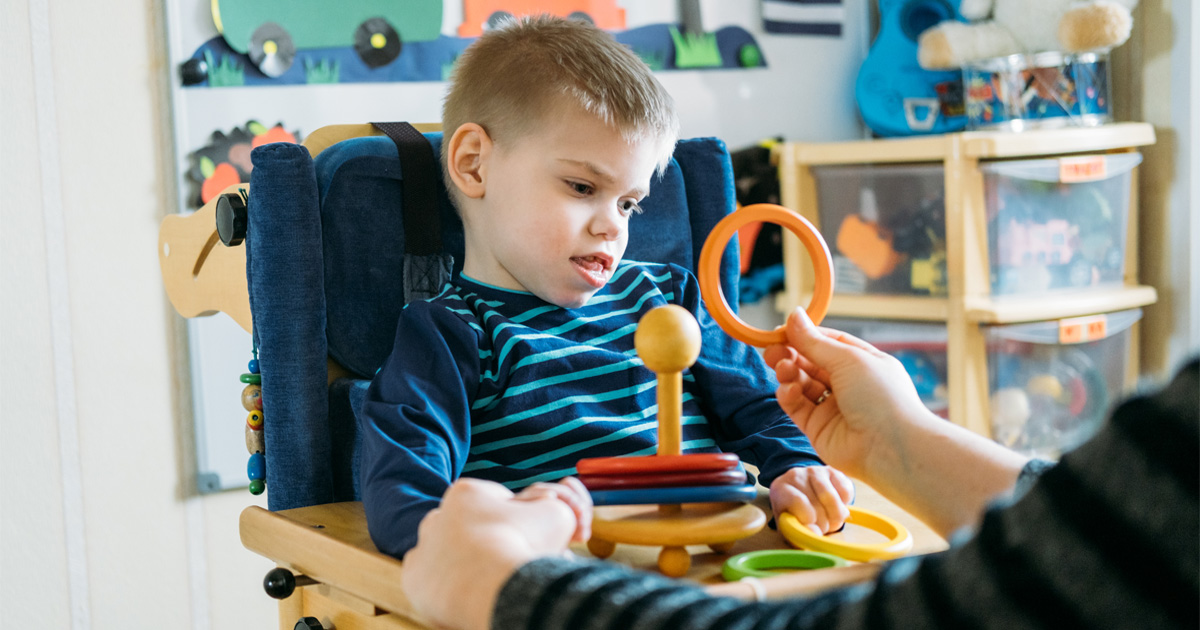
What Activities Can Help a Child With Special Needs Build Everyday Skills?
Table of Contents
- 1. Why Everyday Activities Can Be Valuable Learning Opportunities
- 2. How Special Needs Activities Can Support Everyday Learning
- 3. Activities for Children With Special Needs That Encourage Independence
- 4. Building Daily Living Skills for Children Through Simple Household Tasks
- 5. Activities for Children With Disabilities That Encourage Movement and Coordination
- 6. Using Play to Practice Communication, Social, and Problem-Solving Skills
- 7. Frequently Asked Questions
- 8. Key Takeaways
- 9. Helping Your Child Practice Skills in Everyday Life
- 10. Disclaimer
- 11. References
Finding useful Special Needs Activities does not have to mean buying special equipment or planning complicated lessons. Many of the things your child already does at home, during play, and throughout the day can become opportunities to practice everyday skills.
You might be wondering which activities are appropriate, how much help to provide, or whether ordinary tasks really count as learning experiences. The answer depends on your child’s abilities, interests, communication style, and established support needs.
The goal is not to turn every moment into a lesson. Instead, you can look for comfortable, meaningful ways to encourage participation. You can also explore ideas for how to support your child’s development through everyday experiences while keeping expectations realistic and individualized.
This guide looks at practical activities that can help your child practice independence, movement, communication, self-care, problem-solving, and other useful abilities.
1. Why Everyday Activities Can Be Valuable Learning Opportunities
Children learn through many different experiences. Formal teaching is only one part of that process. Play, household routines, conversations, movement, and simple responsibilities can all provide opportunities to practice developmental skills.
Think about something as ordinary as putting toys away. Depending on your child’s abilities, that activity may involve following a direction, identifying where an object belongs, carrying an item, sorting objects, completing a sequence, or asking for help.
Preparing a simple snack can involve another set of everyday skills. Your child might choose between two foods, open a container, place something on a plate, use a spoon, wipe the table, or put an item away afterward.
The activity itself does not have to be impressive. What matters is whether your child has a meaningful opportunity to participate.
Try to focus on what your child can practice rather than how quickly the task gets finished. If putting away five toys becomes frustrating, putting away one or two may be a better starting point.
Small steps still count.
2. How Special Needs Activities Can Support Everyday Learning
Activities are often most useful when they connect to something your child actually does in daily life. Practicing buttons during a dressing activity, for example, has an obvious connection to getting dressed. Sorting socks can connect matching skills with a real household responsibility.
Play can be useful as well.
The American Academy of Pediatrics explains that play can support abilities related to planning, organization, language, social interaction, movement, and emotional regulation. It also emphasizes playful learning experiences that are appropriate for a child’s developmental stage.
This does not mean every game will produce a particular developmental result. Children have different abilities and needs, and an activity that works well for one child may not be appropriate for another.
A better approach is to ask what your child can comfortably practice during an activity.
A puzzle may involve problem-solving and fine motor skills. A simple ball game may involve movement, coordination, communication, and turn-taking. Pretend play may provide opportunities to make choices or use language.
You can adjust the activity itself, the amount of help you provide, and how long your child participates. The activity should fit your child rather than expecting your child to fit the activity.
3. Activities for Children With Special Needs That Encourage Independence
Independence does not have to mean completing an entire task without assistance. It can mean participating in one manageable part of a larger activity.
For example, your child may not be ready to prepare a complete meal independently, but they might place napkins on the table. They may need help getting dressed but be able to choose between two shirts. They might not organize an entire bedroom but be able to put books on a shelf.
You can look for small responsibilities such as:
- choosing between appropriate options, sorting or putting away familiar objects, carrying lightweight items, helping set up or clean up an activity, and completing one part of a self-care routine
- matching socks, placing clothing in a hamper, putting toys in labeled containers, watering a plant, or gathering familiar belongings before leaving home
Keep expectations connected to your child’s abilities rather than comparing their participation with another child’s.
Confidence can also grow when children have meaningful opportunities to participate with other people. Activities involving another child, sibling, caregiver, or family member may provide natural chances to practice communication and social skills during everyday interactions.
The goal is progress that makes sense for your child, not independence according to someone else’s timetable.
4. Building Daily Living Skills for Children Through Simple Household Tasks
Household routines can provide practical ways to work on daily living skills for children without creating a separate lesson.
Consider laundry. Your child might match socks, sort clothing by type, place clean clothes in a drawer, or carry a small pile to the correct room. Each version can be adjusted according to your child’s abilities.
Mealtimes offer other possibilities. A child might choose a cup, place utensils on the table, pour a drink with assistance, carry an empty dish to the sink, or wipe their place after eating.
Personal routines can also provide opportunities to practice self-care skills. Depending on your child’s established abilities and needs, this might include participating in dressing, washing hands, brushing teeth, organizing personal items, or preparing belongings for the next day.
Some children need verbal reminders. Others may benefit from pictures, demonstrations, checklists, or physical assistance. What works should reflect your child’s communication preferences and any strategies already recommended by qualified professionals involved in their care.
If your family is exploring additional assistance, learning about support for everyday activities and daily living skills may provide useful context about how individualized support can fit around established routines and goals.
Everyday participation can start small. What matters is giving your child a realistic role they can understand and practice.
5. Activities for Children With Disabilities That Encourage Movement and Coordination
Movement is another area where ordinary activities can provide useful practice. Depending on your child’s abilities, preferences, and professional recommendations, movement might include walking, reaching, carrying lightweight objects, dancing, tossing a soft ball, or participating in simple games.
Some activities involve gross motor skills, which use larger muscles for movements such as walking, balancing, reaching, or jumping. Others involve fine motor skills, such as picking up small objects, drawing, turning pages, stacking blocks, or using utensils.
The CDC explains that developmental milestones include how children play, learn, speak, behave, and move. The agency also notes that children develop at their own pace, so milestones provide general guidance rather than an exact timetable for when every child should develop a particular ability.
That distinction is especially important when choosing activities for children with disabilities.
Instead of selecting an activity simply because it is commonly associated with a certain age, consider whether it matches your child’s current abilities and established needs.
Safety also comes first. Activities should take place in an appropriate environment and account for your child’s mobility, balance, coordination, sensory preferences, and any guidance from healthcare or developmental professionals.
6. Using Play to Practice Communication, Social, and Problem-Solving Skills
Play can make skill practice feel more natural because the activity itself has a purpose your child can understand.
A simple matching game, for example, may encourage attention and problem-solving. Building with blocks may involve planning, coordination, creativity, and taking turns. Pretend play can provide opportunities to make choices, communicate ideas, and respond to another person.
You do not need to control every part of the game.
Sometimes it is useful to let your child lead. Watch what interests them and look for small opportunities to expand the activity.
If your child enjoys toy cars, you might introduce sorting by size or color. If they enjoy drawing, you could offer choices between materials or ask them to describe what they created. If they enjoy music, you might practice copying simple movements or taking turns choosing songs.
Learning through play works best when the activity remains engaging and appropriate for the individual child.
You can also build problem-solving into ordinary situations. If a favorite toy is on a reachable shelf but behind another object, give your child time to consider what to do before immediately solving the problem for them.
That does not mean withholding help when your child needs it. It means allowing enough space for participation before stepping in.
Frequently Asked Questions
What are some simple activities for children with special needs to do at home?
Useful activities can be surprisingly ordinary. Sorting objects, helping with laundry, setting part of the table, drawing, building with blocks, completing simple puzzles, reading together, dancing, or helping prepare a snack can all provide opportunities to participate.
The best choice depends on your child’s abilities, interests, safety needs, and established goals. Start with something familiar and adjust the level of difficulty rather than introducing several complicated activities at once.
How do I choose an activity that matches my child’s abilities?
Start by watching what your child already does comfortably. Consider how they communicate, move, follow directions, respond to sensory experiences, and approach unfamiliar tasks.
Then choose an activity that is slightly challenging without being overwhelming. You can simplify it by reducing the number of steps, offering choices, demonstrating what to do, or providing additional assistance.
If your child receives professional services, established recommendations can also help guide appropriate activities.
Can everyday chores help a child practice independence skills?
They can provide opportunities to practice participation and independence when the tasks are appropriate for the child.
A chore does not need to be completed entirely without help. Your child might participate by placing one item in the correct location, carrying something lightweight, sorting familiar objects, or completing the final step of a routine.
Over time, you can adjust the amount of support if your child becomes comfortable with the task.
What should I do if my child becomes frustrated during an activity?
First, consider whether the activity is too difficult, too long, unfamiliar, or uncomfortable. Frustration does not necessarily mean your child is unwilling to participate.
You may need to shorten the activity, simplify a step, offer a break, demonstrate the task, or provide more assistance. Pay attention to patterns. If the same activity repeatedly causes difficulty, it may need to be changed rather than repeatedly pushed.
Activities should create appropriate opportunities for participation, not become a test your child has to pass.
How often should children practice everyday skills?
There is no universal schedule that works for every child. Many skills can be practiced naturally when they already occur during the day.
For example, dressing skills can be practiced during dressing, organization can happen during cleanup, and communication can be encouraged during meals and play.
Regular opportunities may be more manageable than turning skill practice into long sessions. Your child’s needs, tolerance, schedule, and professional recommendations should guide how often a particular activity is practiced.
Key Takeaways
Everyday activities can become useful opportunities for children to participate, make choices, solve simple problems, communicate, move, and practice familiar routines.
Keep these principles in mind:
- Choose activities based on your child’s individual abilities, interests, safety needs, communication style, and established goals.
- Break larger tasks into manageable steps and provide the level of assistance your child needs.
- Use household routines, play, movement, and self-care as natural opportunities to practice useful skills.
- Give your child time to participate rather than automatically completing every task for them.
- Adjust activities when they become frustrating, unsafe, or no longer appropriate.
- Remember that children develop differently, so progress should not be measured by comparing your child with someone else.
The most useful activity is not necessarily the most complicated one. Often, it is something familiar that gives your child a meaningful way to take part.
Helping Your Child Practice Skills in Everyday Life
Building everyday skills does not require filling your child’s schedule with structured exercises. Some of the most practical opportunities already exist within meals, playtime, getting dressed, household routines, and time spent together.
Start with one activity your child knows. Decide which small part they can participate in, give them enough time to try, and provide support when needed. As the activity becomes more familiar, you can adjust your expectations based on how your child responds.
Your child’s needs can also change over time. An activity that requires considerable assistance today may become easier later, while another task may need to be adapted as routines and circumstances change.
If you have questions about individualized assistance with everyday activities, you can learn more about Children With Disabilities and OPWDD Services and how appropriate support may fit within a child’s established needs, goals, care plan, and authorized services.
The goal is not perfection. It is helping your child participate in everyday life in ways that are meaningful, realistic, and appropriate for them.
Disclaimer
This article is provided for educational and informational purposes only. It is not intended to provide medical, developmental, behavioral, therapeutic, educational, or individualized care advice.
Every child has different abilities, developmental needs, communication preferences, sensory needs, routines, and circumstances. An activity that is appropriate for one child may not be appropriate for another.
Parents and caregivers should consult qualified healthcare professionals, developmental specialists, therapists, educators, or other appropriate professionals when they have questions about activities, developmental concerns, safety, or recommendations specific to their child.