
How Can You Support Your Child’s Development at Home?
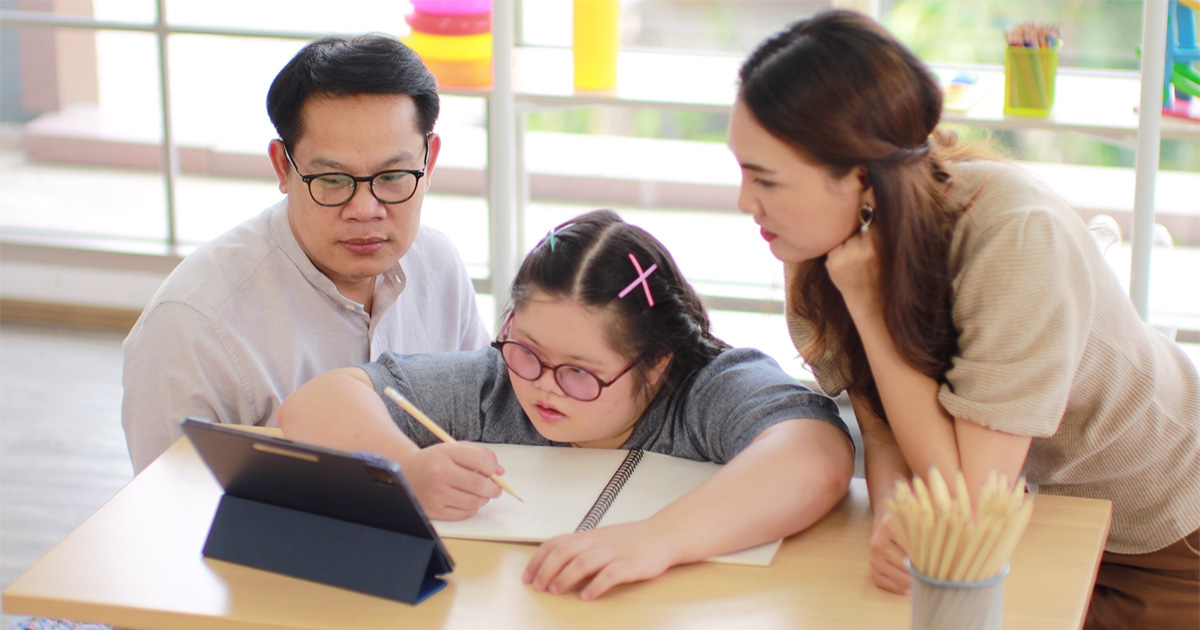
How Can You Support Your Child's Development at Home?
Table of Contents
- 1. Why Supporting Your Child's Development at Home Matters
- 2. Special Needs Child Development: Understanding Growth Through Everyday Experiences
- 3. Simple Child Development Activities You Can Do Every Day
- 4. Creating a Supportive Home Environment for Learning
- 5. Helping Your Child Build Communication and Thinking Skills
- 6. Encouraging Independence Through Everyday Responsibilities
- 7. Supporting Emotional Growth and Confidence
- 8. Common Mistakes Parents Should Avoid
- 9. Frequently Asked Questions
- 10. Key Takeaways
- 11. Continue Building Everyday Learning Opportunities
- 12. Disclaimer
- 13. References
If you’re wondering how to encourage Special Needs Child Development at home, you’re not alone. Many parents want to help their children grow, learn, and become more confident but aren’t always sure where to begin. The good news is that meaningful progress doesn’t always require expensive programs or complicated routines. Many of the most valuable learning opportunities happen during everyday moments you already share with your child.
As you explore ways to encourage growth, you may also enjoy our guide on creating a supportive home environment for your child’s growth and learning, which shares practical parenting strategies that complement everyday developmental activities.
In this guide, you’ll learn how daily routines, play, communication, and positive encouragement can support your child’s development at home. You’ll also discover practical ideas you can begin using right away while understanding that every child develops according to their own strengths, interests, and pace.
1. Why Supporting Your Child's Development at Home Matters
Home is one of the first places where children discover new experiences, practice important skills, and build confidence. While schools, therapists, and community programs all play valuable roles, everyday interactions with parents and caregivers often provide the greatest opportunities for continued learning.
You might be wondering whether you need to become a teacher or therapist to help your child make progress. Here’s what you need to know: you don’t. What matters most is creating opportunities for your child to explore, communicate, solve problems, and participate in everyday life.
For example, preparing breakfast together may help strengthen fine motor skills while encouraging communication and decision-making. Sorting laundry by color can become a simple learning activity that introduces matching, organization, and following directions. Even reading a favorite bedtime story creates opportunities to build language development while strengthening your connection with your child.
These small moments often become the foundation for lifelong learning because they happen consistently and within an environment where children feel safe and supported.
2. Special Needs Child Development: Understanding Growth Through Everyday Experiences
Every child learns differently, and development rarely follows a perfectly straight path. Some children quickly develop communication skills while taking longer to master self-care routines. Others may become physically independent before feeling comfortable expressing emotions or solving everyday problems.
Rather than comparing your child with others, it’s often more helpful to focus on individual progress. Development is made up of many different areas that work together over time, including:
- Cognitive development and problem-solving
- Language and communication skills
- Social and emotional development
- Fine and gross motor skills
- Adaptive skills used during everyday routines
These areas continue developing through repeated experiences rather than single events.
According to the Centers for Disease Control and Prevention (CDC), developmental milestones provide general guidance for understanding how children typically grow across communication, movement, learning, and social-emotional development. These milestones can help families recognize progress while remembering that every child’s journey is unique.
Instead of asking whether your child is developing “fast enough,” consider asking whether today’s experiences are helping them become more confident than they were yesterday. That shift in perspective often makes progress easier to recognize and celebrate.
3. Simple Child Development Activities You Can Do Every Day
Many parents assume learning happens only during structured lessons or therapy sessions. In reality, everyday experiences often provide meaningful opportunities for children to build developmental skills naturally.
Daily routines create repeated opportunities for learning because children become familiar with what comes next. That familiarity helps reduce frustration while encouraging participation.
For example, inviting your child to help prepare a snack may encourage communication, counting, following directions, and fine motor coordination all within one activity. During playtime, building blocks can strengthen problem-solving while also encouraging creativity and patience.
You can also support child development activities by allowing your child to make simple choices throughout the day. Choosing between two outfits, selecting a favorite book, or deciding which game to play first encourages decision-making while helping children feel more involved in everyday routines.
Remember that learning doesn’t always look like visible progress. Sometimes children are quietly developing confidence before they’re ready to demonstrate a new skill independently.
4. Creating a Supportive Home Environment for Learning
A supportive home environment isn’t about having the perfect schedule or filling every hour with structured educational activities. Instead, it’s about creating opportunities where your child feels comfortable exploring, asking questions, practicing new abilities, and learning through everyday experiences.
Children often respond well to predictable routines because they know what to expect. Familiar schedules can reduce uncertainty while giving them repeated opportunities to strengthen developmental skills through activities they already enjoy. Reading together, helping prepare simple meals, organizing toys, or participating in household tasks all create valuable moments for everyday learning.
Simple adjustments around the home can also encourage participation. Keeping favorite books within easy reach, organizing materials so your child can access them independently, or creating a quiet space for creative play helps make learning feel natural rather than overwhelming.
As your child’s strengths and needs continue to evolve, some families also choose to explore additional resources that complement the progress they’re making at home. You can learn more about how individualized special needs care can support everyday developmental goals and how personalized support may encourage continued growth through familiar daily routines and meaningful activities.
Positive reinforcement remains one of the most effective ways to encourage learning. Recognizing effort, celebrating small accomplishments, and allowing children to practice without fear of making mistakes helps build confidence while supporting long-term developmental progress.
5. Helping Your Child Build Communication and Thinking Skills
Communication involves much more than spoken words. Children communicate through gestures, facial expressions, body language, pictures, signs, and many other forms of expression. Supporting communication means encouraging children to express themselves in ways that match their individual abilities while gradually introducing new opportunities for interaction.
One effective approach is slowing everyday conversations down. Giving your child extra time to respond after asking a question allows them to process information without feeling rushed.
You can also encourage thinking skills by asking open-ended questions during familiar activities.
For example:
- “What do you think will happen next?”
- “How could we solve this problem together?”
- “Which piece do you think fits here?”
These conversations encourage curiosity while helping children practice reasoning and decision-making in comfortable situations.
Supporting communication also means paying attention to what motivates your child. When conversations focus on favorite games, hobbies, or interests, children often become more willing to participate and practice language naturally.
6. Encouraging Independence Through Everyday Responsibilities
As children continue developing new abilities, everyday responsibilities become valuable learning opportunities. Independence doesn’t happen overnight. Instead, it grows through repeated practice, encouragement, and patience.
Simple responsibilities can help children strengthen developmental skills while building confidence in their own abilities. For example, your child might help place napkins on the dinner table, water plants, organize school supplies, or put dirty clothes into a laundry basket. These activities may seem small, but they encourage responsibility, organization, and problem-solving.
It’s also helpful to remember that children don’t need to complete every task perfectly. Learning often includes mistakes, and those moments create opportunities to practice flexibility and perseverance.
If you’re looking for additional ideas that encourage everyday participation, you may also enjoy reading about helping children become more confident through everyday independence and how simple responsibilities can support long-term growth.
As children become more comfortable completing familiar activities, they’re often more willing to explore new challenges with greater confidence.
7. Supporting Emotional Growth and Confidence
Children’s emotional well-being plays an important role in their overall developmental progress. Feeling safe, understood, and encouraged allows children to approach new experiences with greater confidence while developing resilience when things don’t go as planned.
One of the most effective ways to support emotional development is by recognizing effort rather than focusing only on results. Praising persistence, celebrating small accomplishments, and acknowledging improvement help children understand that learning is a process.
Creating opportunities for children to make age-appropriate decisions also builds confidence. Allowing your child to choose a book before bedtime, select an afternoon activity, or decide which puzzle to complete first encourages independence while showing that their opinions matter.
Supporting emotional growth also means allowing children enough time to solve simple problems on their own before stepping in to help. While it may be tempting to provide immediate answers, giving children opportunities to think through challenges helps strengthen confidence and critical thinking.
The MedlinePlus medical encyclopedia explains that child development includes physical, cognitive, language, social, and emotional growth. Because every child develops differently, milestones should be viewed as general guides rather than expectations that every child reaches at exactly the same time.
Perhaps the most important thing you can offer is patience. Children often learn best when they know mistakes are accepted as part of the learning process rather than something to fear.
8. Common Mistakes Parents Should Avoid
Supporting your child’s development doesn’t require perfection, but avoiding a few common mistakes can create a more positive learning experience.
One challenge many parents face is expecting progress to happen quickly. Building new abilities takes time, and children often need repeated opportunities before a skill becomes comfortable.
Another common mistake is comparing your child’s progress with siblings, classmates, or friends. Every child’s strengths, interests, and learning style are different. Comparing progress can create unnecessary pressure while overlooking meaningful personal growth.
It’s also easy to unintentionally do too much for your child, especially when daily schedules become busy. While helping is sometimes necessary, allowing children to participate whenever possible encourages confidence and problem-solving.
Finally, remember that learning doesn’t always happen in large, noticeable steps. Small improvements repeated consistently often lead to meaningful long-term developmental growth.
Frequently Asked Questions
How can parents support child development at home?
You can support your child’s development by creating consistent daily routines, encouraging play, reading together, practicing communication, and allowing your child to participate in everyday activities that match their abilities.
What activities help children build developmental skills?
Simple activities such as puzzles, pretend play, arts and crafts, cooking together, reading stories, sorting household items, and outdoor exploration all provide opportunities to strengthen communication, thinking, movement, and problem-solving skills.
Why are developmental milestones important?
Developmental milestones provide general guidance for understanding how children typically grow and learn over time. They help families recognize progress while remembering that every child develops at their own pace.
How can parents encourage learning without overwhelming their child?
Breaking larger tasks into smaller steps, celebrating effort, maintaining predictable routines, and allowing children to practice regularly can make learning feel more manageable and enjoyable.
When might families consider additional developmental support?
Some families choose to explore additional support when they would like extra guidance with everyday routines, communication, daily living skills, or individualized developmental goals. Every family’s situation is different, and support can complement the strategies already being used at home.
Key Takeaways
Supporting your child’s development at home is about creating consistent opportunities for learning through everyday experiences rather than expecting immediate results. Daily routines, positive encouragement, meaningful conversations, and opportunities to practice new skills all contribute to long-term growth. By focusing on steady progress instead of perfection, you help your child build confidence, strengthen practical abilities, and become more comfortable exploring new challenges over time.
Continue Building Everyday Learning Opportunities
Supporting your child’s development is an ongoing journey that grows through patience, encouragement, and everyday practice. As your child’s strengths and needs continue to evolve, some families choose to explore additional resources that complement the progress they’re already making at home.
If you’d like to learn more about personalized in-home support that may encourage continued growth, explore Children with Disabilities OPWDD Services to discover how individualized care can help children strengthen everyday skills, build confidence, and participate more fully in daily life.
Disclaimer
This article is intended for educational and informational purposes only and should not be considered medical, developmental, or legal advice. Every child has unique strengths, abilities, and support needs. Families should consult qualified healthcare professionals, developmental specialists, or other appropriate providers for personalized guidance regarding their child’s development and available support options.